|
Crossing the Rubicon on Crossover Day
 Last week began with anticipation as we ramped up to Crossover Day, the day when all bills must pass one chamber in order to be considered by the other chamber before the close of the two-year session, or biennium. Last week began with anticipation as we ramped up to Crossover Day, the day when all bills must pass one chamber in order to be considered by the other chamber before the close of the two-year session, or biennium.
But that anticipation was coupled with a feeling of nervousness as Georgia began to report more confirmed cases of the coronavirus. On Monday, the House suspended its page program and limited visitors in the House chamber. The Senate did nothing until Tuesday afternoon, when signs went up on Senate Chamber doors saying, “Please be Courteous, Don’t Shake Hands.” I began to be very careful, but watched senators all touch the same door handles. I asked the Senate Leadership to have only the Official Doorkeepers open and close the doors. After all, we still had the 2021 budget to pass before we could go home.
On Wednesday, the Conference Committee on Appropriations — members of the House and Senate working on reconciling the House and Senate bills for the 2020 amended budget — announced that they had included $100 million from Georgia’s rainy day fund to cover the coronavirus response. The last time our rainy day funds were used was to address the Great Recession.
Along with much of the country, Thursday was the tipping point for the legislature when the House and Senate finally crossed the Rubicon together. When we suspended the legislative session without even passing the FY21 budget, we knew we were heading into territory that will change our course in ways we can not yet imagine.
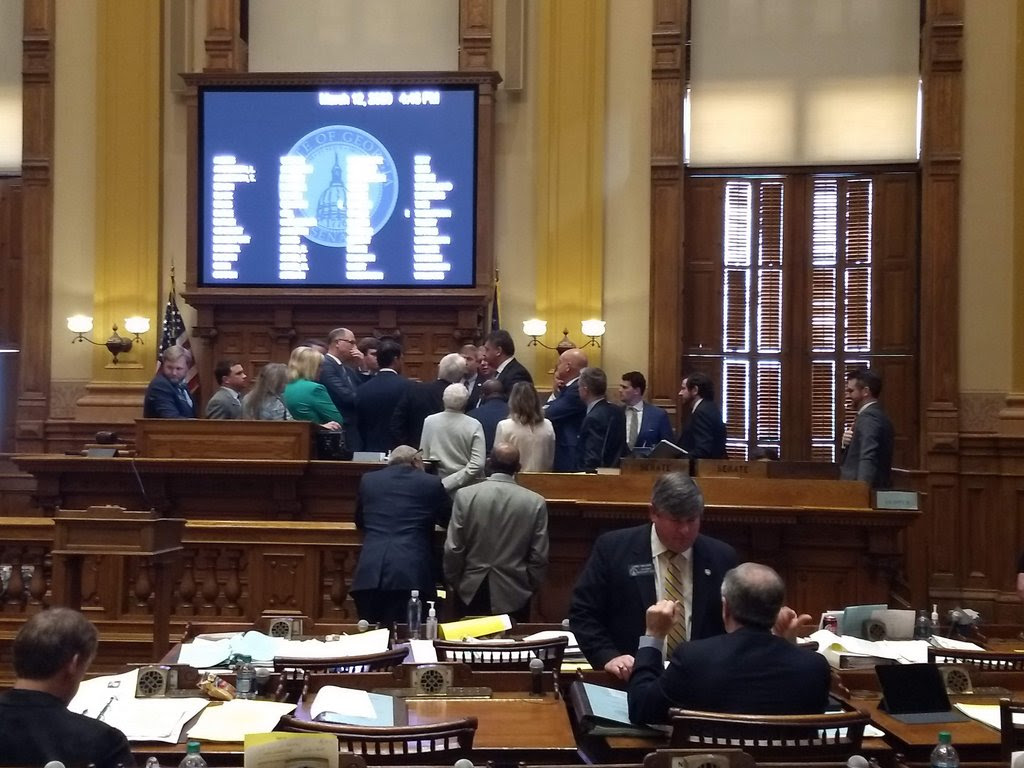
The Capitol had a similar feeling of unease as it did on 9/11 when I was a State Representative, but I was really glad I didn’t have my newborn baby with me like I did on that day. We received limited information in the Chamber and were unable to watch the Governor’s press conference as we worked through the long list of bills on the schedule. We tried to carry on. It was finally announced late afternoon that the House and Senate would suspend the legislative session until further notice. Late Friday, we learned that the Governor was calling for a special legislative session first thing Monday morning to approve a Public Health Emergency.
On the Other Side
In light of the current public health situation, we have cancelled our Peachtree Corners and Chamblee legislative town hall meetings. We will reschedule them for a later date.
Please follow the public health guidance on preventing the spread of coronavirus and what to do when you’re sick. Take time to rest, eat healthy, and enjoy your family. As I told all of my colleagues as we left the Capitol on Thursday, be well. If you do become sick, call your primary doctor first. Don’t go to the ER if you are not at risk and you have mild symptoms. Even if you want to be tested, there are not yet enough tests. If you have non-illness or non-exposure questions, call the Georgia Department of Public Health at 844-442-2681 from 8am – 5pm Monday thru Friday.
If you need help, now is the time to reach out to your support system. If you can, reach out to your neighbors to make sure they are okay. But practice social distancing so we can flatten the curve and keep the hospitals from being overwhelmed.
Unfinished Business
When the 155th Georgia General Assembly reconvenes, we will start on Day 30 of the 40 day session. At that point, the Senate will consider House bills that passed on or before Crossover Day, and the House will consider Senate bills for the remainder of the session. Constitutionally, the only bill the legislature is required to pass is the 2021 budget, which has passed the House, but not the Senate. There is work left to be done, and we don’t have any way of knowing when we can get back to it.
Bills that Crossed Over
The Senate approved a number of bills on or before Crossover Day that will be considered in the House once the session resumes. Here are just some of the bills approved this week:
Special Needs Voucher (SB 386): The Senate approved this bill to expand Georgia’s Special Needs voucher program that allows students with special needs to apply for money to attend private schools. I personally know how difficult it is when the public school system fails a child. However, I voted against this bill for several reasons. We have already shifted millions of public dollars away from public schools to private schools. And Vouchers don’t fully cover the cost of a private school education which leaves many families behind. This is especially true in rural Georgia where many families can’t take advantage of this program because there are no private schools in their communities that address special needs. This creates a two-tiered system for people who can use the program, but many more who can’t.
Voting (SB 463): I wrote about this bill in my last Snapshot when it came to the Senate Ethics Committee in a very rushed process. It has several concerning issues, which could have been fixed had we had more time in committee. Senate Minority leader, Steve Henson, prepared amendments to help improve the bill on the floor, but he was denied the opportunity to present them when Senate Republicans voted to “engross” the bill, a procedural move that locks the bill and blocks it from having any amendments. Preventing the opposing party from having any input into the process is a bad faith move and simply bad government. We had a vigorous debate, but SB 463 passed along party lines.
Ethylene Oxide (SB 426): Last summer, residents in Smyrna and Covington were surprised by a report that ethylene oxide, a known carcinogen, was being released into the air by a nearby medical sterilization company. Since then, local officials and lawmakers have been working to come up with solutions that would keep the community safe and keep the company accountable. SB 426 requires any producer that emits ethylene oxide to report the leak to the Environmental Protection Division (EPD) within 24 hours and the EPD to publish the notice on their website.
Sealing Records for Convicted Felons (SB 288): This bill, passed unanimously by the Senate and sponsored by my suite mate, Senator Tonya Anderson, is a positive step forward for criminal justice reform. It allows former first-time offenders who have not committed a violent or sexual crime and remained free of criminal activity for four years to petition the courts to seal and restrict their records from public view. This will open up more employment and housing opportunities for Georgians needing a second chance.
Tobacco Age (SB 375): This bill raises the minimum age to purchase tobacco in Georgia from 18 to 21. It allows law enforcement to confiscate tobacco products from minors, and penalize minors found with tobacco products with community service. Failure to complete community service could result in a suspended drivers license.
SAT/ACT Testing Locations (SB 486): This bill requires all Georgia school systems to administer the SAT and ACT tests during school hours for all 11th grade students who want to take the test. This allows kids who are unable to test during the weekend, or who find it difficult to get to remote testing locations, a more convenient testing option.
Distracted Driving (SB 479): This bill updates Georgia’s two-year old distracted driving law and increases fines for using electronics while driving. A similar bill has been debated in the House.
Seat Belts (SB 226): Georgia law currently only requires that minors use seat belts in the back seats of cars. This new law would require all occupants, regardless of age, to use seat belts.
Feminine Hygiene Products (SB 349): The Senate approved this bill to require local boards of education to provide free feminine hygiene products to all students in school bathrooms.
Pumping at Work (SB 327): This bill requires employers to provide a lactation room and allow reasonable break time for new mothers to pump breast milk. It also protects new mothers from discriminatory or retaliatory actions by the employer.
Bills that Didn’t Cross Over
After-School Recess (SB 398): After my bill to prohibit the assigning of grades to homework for grades K-2 passed unanimously in committee, I hoped it would be heard on the Senate floor. Instead, we got an important lesson on the powerful Rules Committee that decides which bills are put on the floor schedule. Every Rules Committee has its own personality and I was happy to learn that Democrats that serve on Rules can select Democratic bills to move forward. But SB 398 never got that far. We learned that once a bill passes committee, a higher power determines which bills can even be considered by Rules. My bill landed on the preclearance list under the “NO” column. I tried hard to advocate for moving the bill forward with the Senate leadership, including the Lt. Governor, and made my case in front of the Rules Committee anyway, but to no avail, leaving me only with several theories as to why such a positive, family-friendly bill would get stuck in the process.
Citizen Voting (SR 818): This bill would change language in Georgia’s constitution about who has the right to vote from “Every person who is a citizen” to “Only individuals who are citizens.” The current language grants a right to all citizens, while the new language omits that right and replaces it with a restriction. Constitutional amendments must get a supermajority, a two-thirds vote, to be approved by the Senate, and SR 818 failed to reach that threshold. At best, this resolution seemed designed to stir up the Republican base, and at worst, could have been used to deny the right to vote to certain citizens, now that the right would no longer be enumerated in our constitution. This is why breaking supermajorities is so important to keeping extreme legislation from passing.
Tort Reform (SB 415): This bill proposed sweeping changes to our civil justice system to address what its proponents called “runaway jury verdicts” and concerns over assigning proper liability. But the bill heavily favored the insurance industry and legislators on both sides of the aisle, many of whom were lawyers, argued that the bill contained too many controversial reforms that were not in the best interests of consumers. After four hours of intense debate on Tuesday, the Senate approved a motion in a very close vote (27 to 26) to finally table the bill. A motion to remove this bill from the table on Crossover Day also failed.
North DeKalb Cityhood (SB 507): This bill was filed as local legislation, so the Crossover Day deadline does not apply. I will have more to say about this in a future email, so I can explain some nuanced details that need more space than this Snapshot can provide.
Celebrating Servant-Leaders
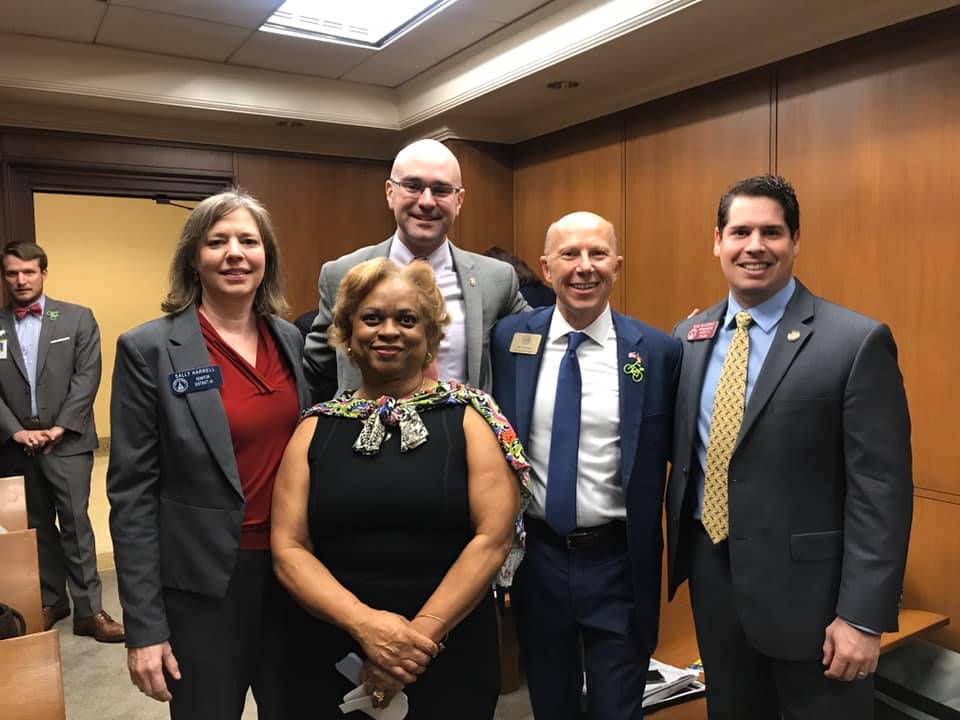
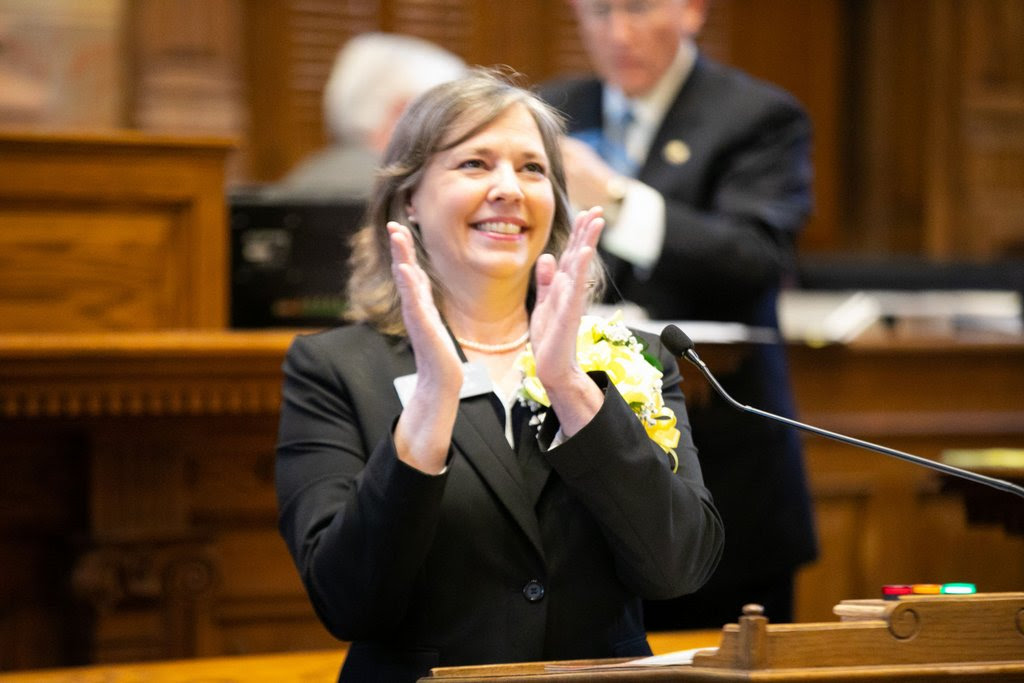
Last week, the Women’s Legislative Caucus, a bipartisan, bicameral group of female legislators, held its annual Nikki T. Randall Servant Leaders Awards breakfast where each Caucus member has the opportunity to honor women in our districts that have done outstanding public service work in their communities.
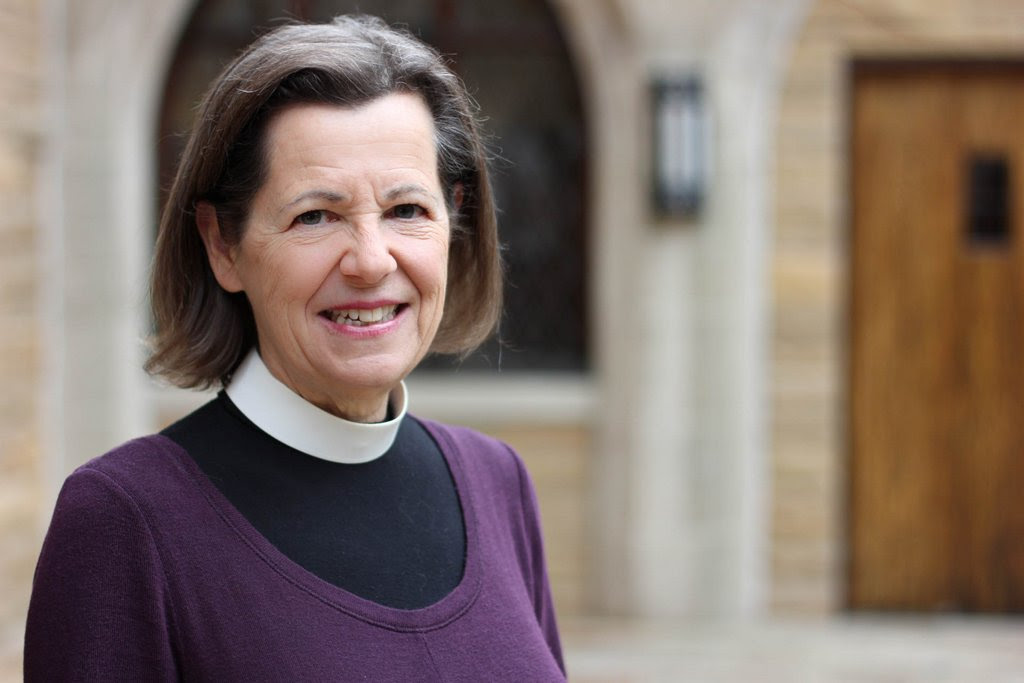
I was pleased to not only kick off the breakfast as co-chair of the Women’s Legislative Caucus, but to honor Deacon Lesley-Ann Drake of Dunwoody. Lesley-Ann founded “Path to Shine” that mentors at-risk youth with the goal of guiding them toward a positive, successful path. Under Lesley-Ann’s leadership, Path to Shine has grown to 17 programs, working with 194 children and more than 140 volunteer Mentors across Georgia.
As We Move into Uncertainty
The coronavirus crisis reminds us that we, as humans, are undeniably connected to every other human being in this world, and that walls built to protect power and privilege ultimately crumble. As we embark on drafting the public policy to lift our people back up, we must address the fact that people who are not paid livable wages must come to work sick and make us all sick. That a market-based healthcare system cannot be prepared for the overwhelming volume of need that a pandemic presents. That sometimes bad stuff just happens and it’s not always about bootstraps. |
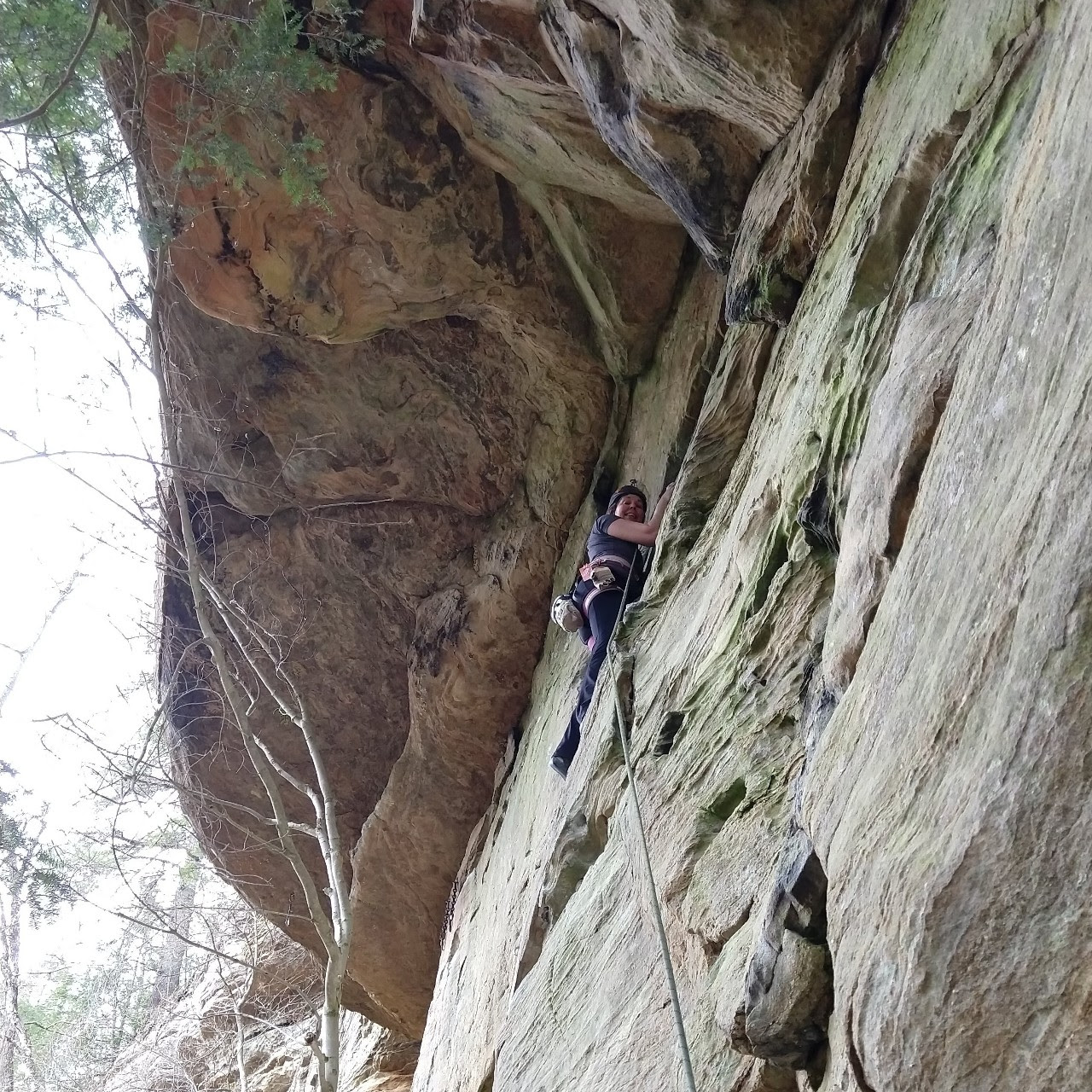


 Right now I’m on official quarantine because a Georgia Senator came to work sick. The quarantine was the right thing to do, because now at least four other Senators are sick, and one was hospitalized in critical condition (he’s doing better now). Fortunately, my family’s fine, but I’ll admit I am worried, frustrated, and restless. And the things that normally sustain me and my family during other troubling times, like our church, our gym, or coffee with a friend, are not possible.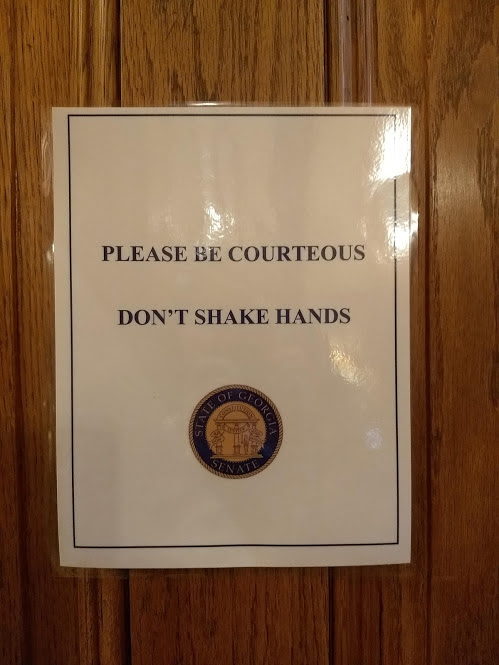
 I’m honored to serve on Representative Lucy McBath’s Census Complete Count Leadership Committee. Our charge is to make sure everyone is counted in the year’s Census, especially in hard-to-count areas.
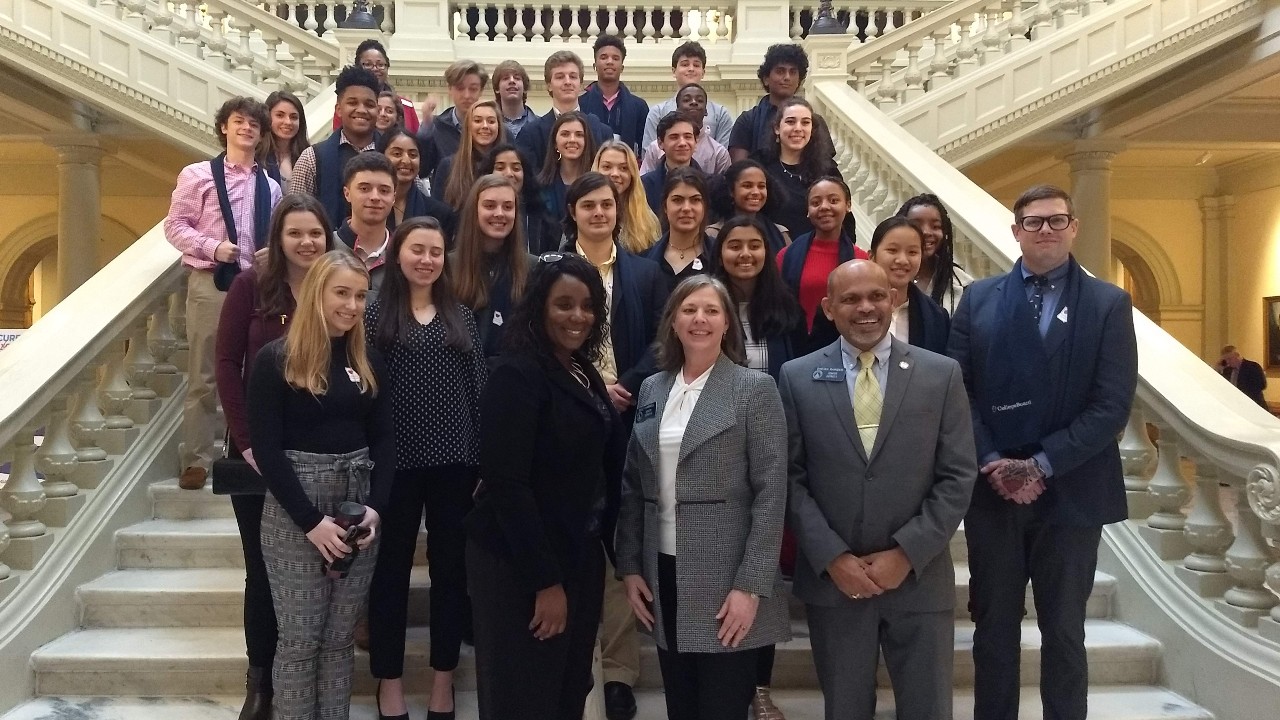
 Getting paged to go outside the chamber to meet constituents is my favorite part of the day. People at the capitol often refer to this activity as “working the ropes,” because citizens must stay behind the ropes that protect the Senate chamber doors. I can always tell the nervous look of someone who is at the ropes for the first time and I love putting them at ease, helping to make it a positive experience.
 This week
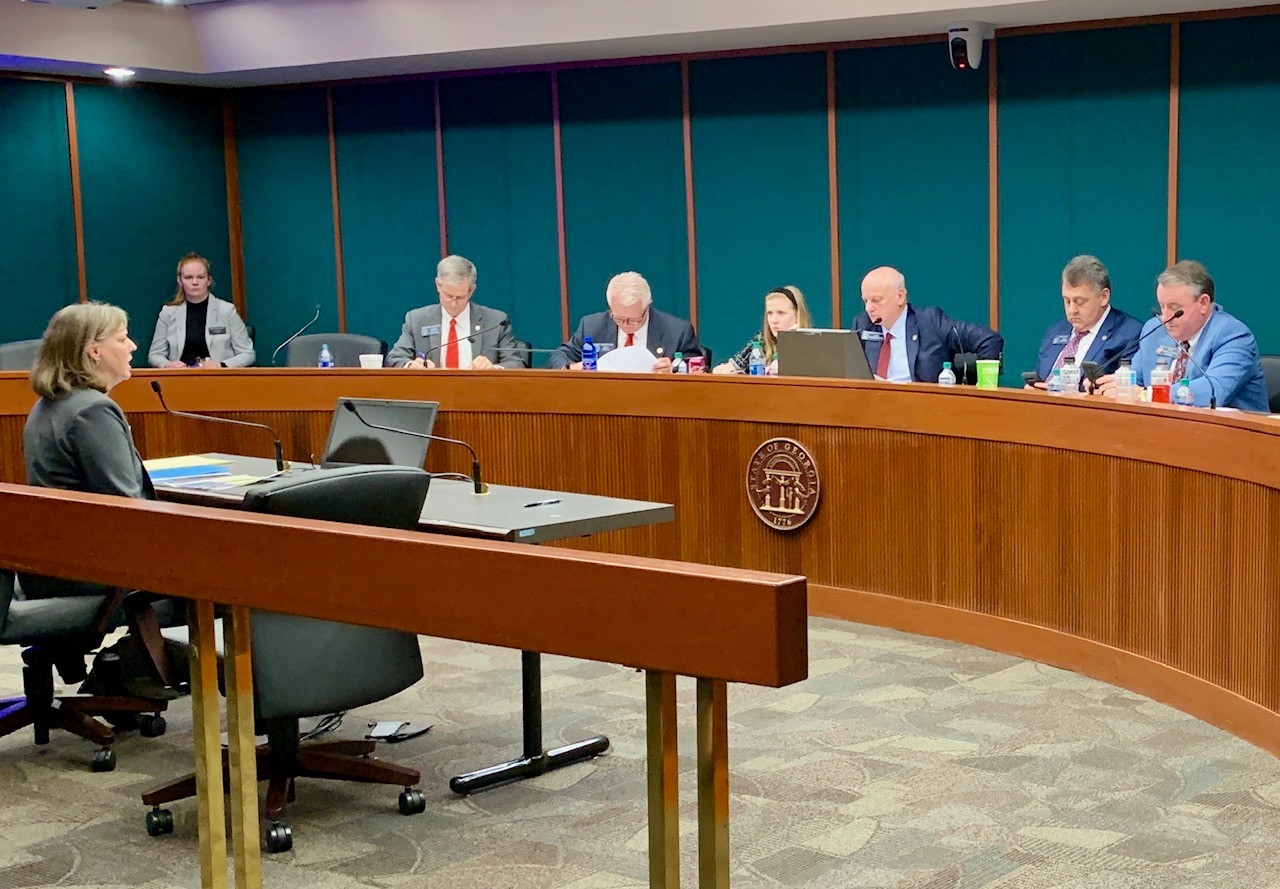
  My legislative agenda gained some momentum this week when I got word that three of my bills will be heard in committee next week. I’m particularly grateful to Senator Jack Hill, whom I have known since I served in the House, for allowing me time Monday morning to present
  Representative Beth Moore and I have been collaborating on a bill to ban the sale or distribution of products that contain asbestos. The bill was inspired by a constituent whose wife died of Mesothelioma, a terrible and deadly form of cancer that is primarily caused by asbestos exposure.
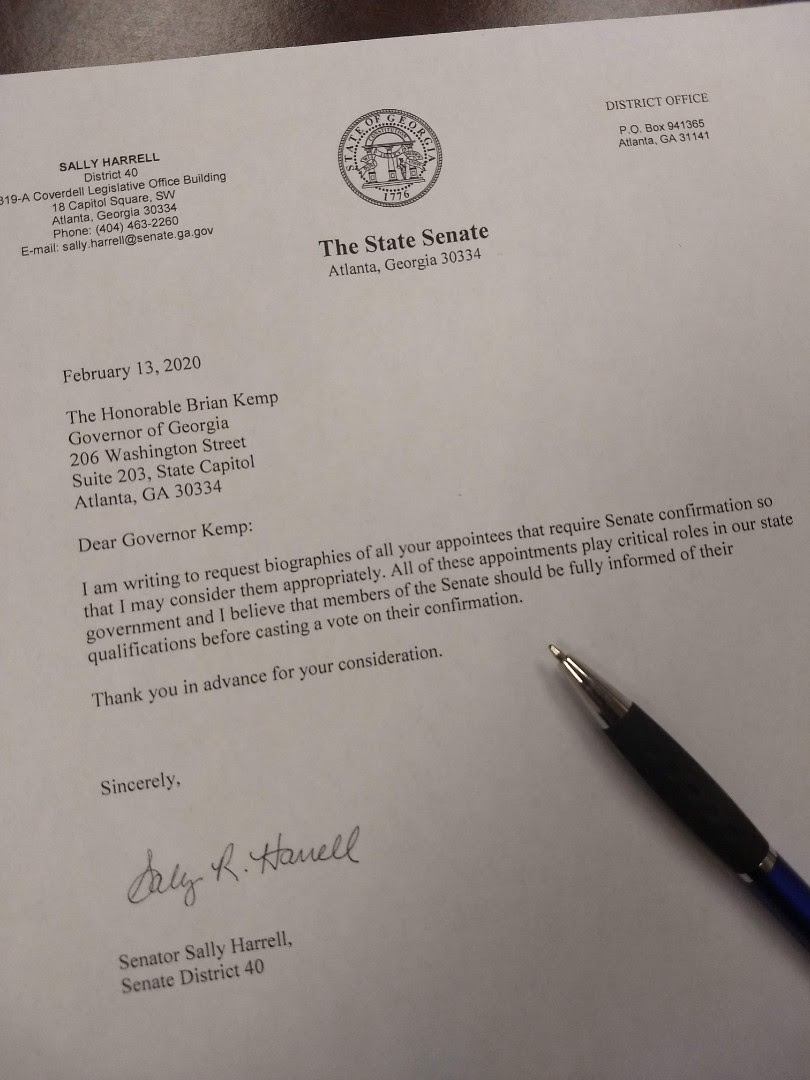 Checks and balances, or the lack thereof, have continued to be a theme this week. After refusing to provide Speaker Ralston budget information the House needs to do its job, this week the Governor’s office initially refused to give me information that I need so I know how to vote on Senate confirmation of board appointees. Last week I made a written request for bios for all board appointees. On Monday morning my administrative assistant, Keridan, got a call from the Governor’s office. They said if I want the bios, I must file an open records request.
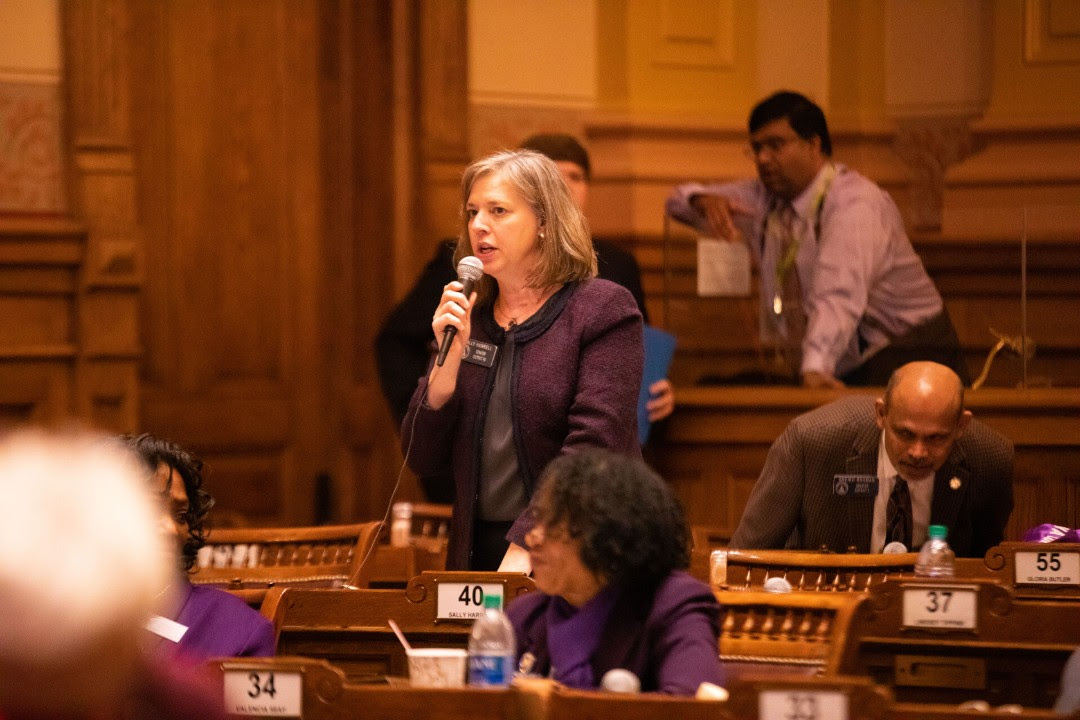 Roll Call: Even the roll call is ceremonial. If a member is absent, another member must make a motion on their behalf to excuse, using specific language: “Mr. President, I ask for unanimous consent to excuse the Senator from the 39th for business inside the Capitol.” After all the motions to excuse are made and approved, we vote electronically to signify our presence.
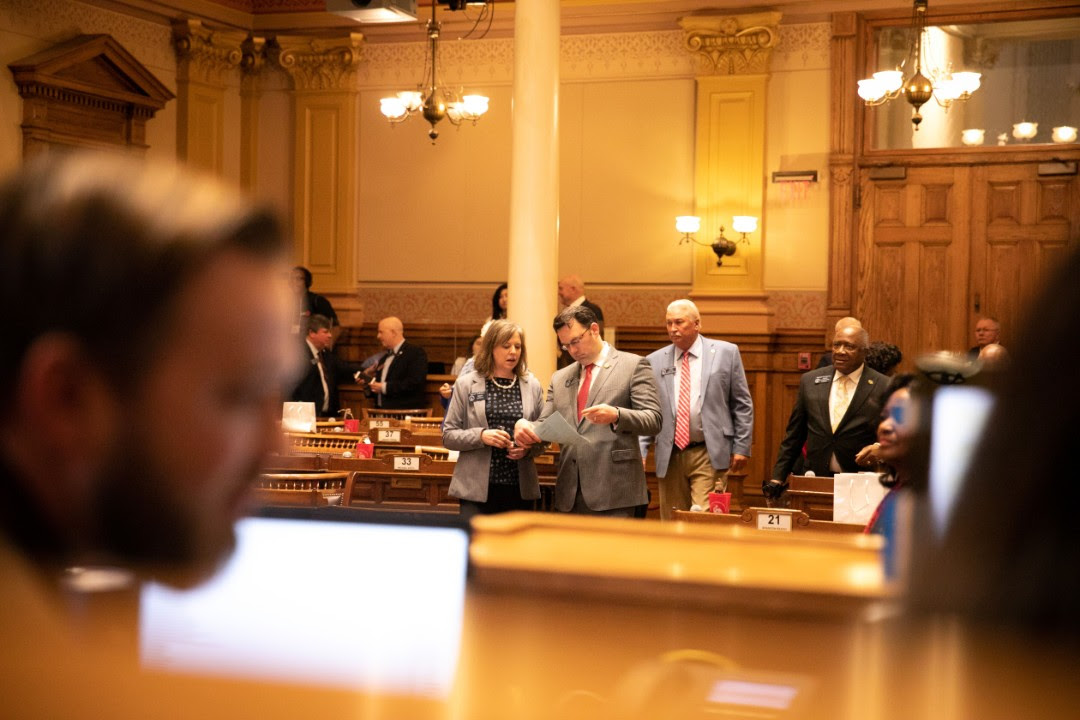 Point of Personal Privilege: The favorite part of the day for Senators who like to be in the spotlight are Points of Personal Privilege. Every Senator gets five minutes in the well each day to say whatever they want. Some members use it to recognize special guests. Others use it to mark a special occasion or speak to an important issue. Members of the minority party often use it to make a case for legislation they’ve filed, since there’s less chance of that legislation being heard on the floor.